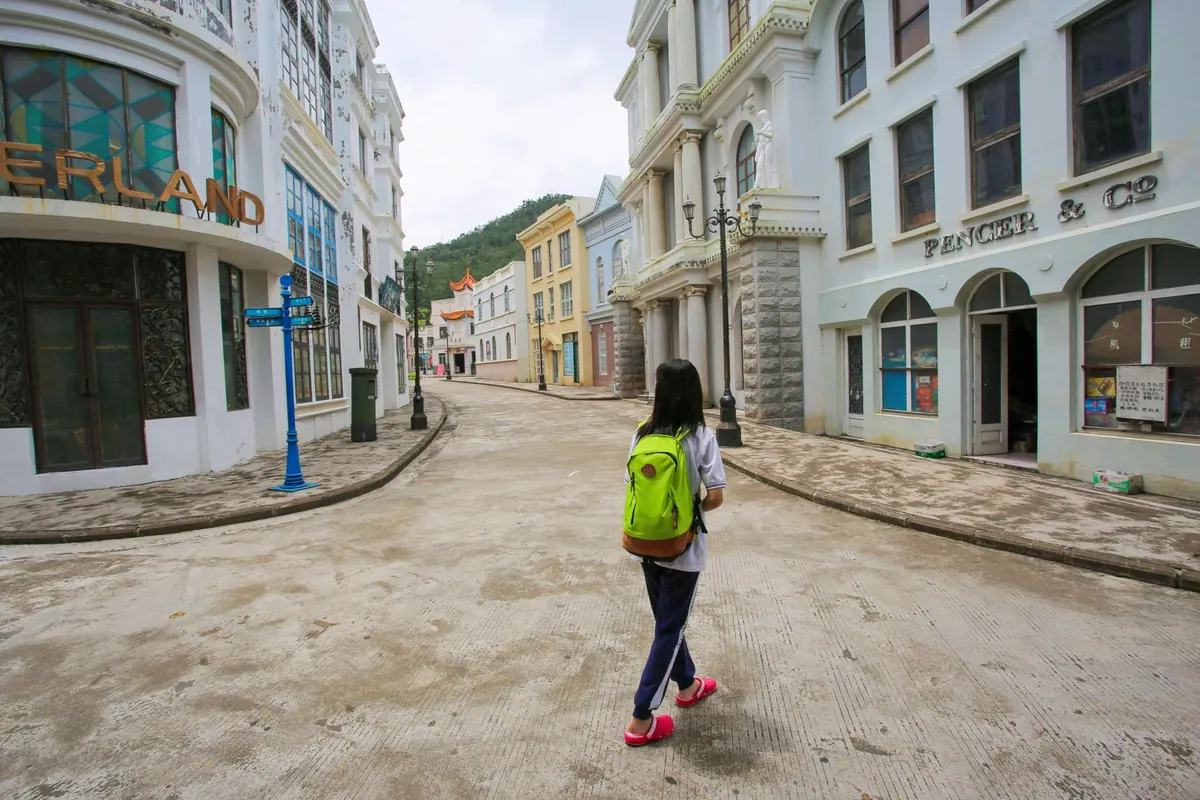
The first solo walk through a neighborhood you don't know has a strange texture. Everything is ordinary — a bakery, a bus stop, a man hosing down his front steps — and everything is slightly off, because you don't yet know which ordinary thing matters. That is both the pleasure and the problem. You want to look around; you also want to look like you belong. What follows is the routine I use before and during a first walk in a place I've never been. It isn't about being afraid. It's about being awake enough to actually see the neighborhood, and sensible enough to enjoy it without a small knot in your stomach.
Most of the useful work happens before your shoes touch the pavement.
Know where you are. Learn the name of your street and the nearest landmark, and be able to say it badly but recognizably in the local language. A screenshot of the address helps, and so does a scrap of paper — phones die at the least convenient moment.
Download the map for offline use. Zoom into the area you plan to walk while you still have wifi, so the streets are cached. If you get turned around and the signal drops, you'll still have a picture of where the river, the park, or the main road sits.
Tell someone the shape of your afternoon. Not a minute-by-minute itinerary. A simple "I'm walking from the station toward the old market, back by six" is enough. Share your location if that's easy for you and the other person.
Carry less, but carry the right things. Charged phone, a little cash, a card, water, and shoes you can walk two hours in. Leave the expensive-looking bag at home — not because the neighborhood is dangerous, but because you'll relax more, and relaxing is the point.
Start slower than you want to. The instinct is to move with purpose, as if purpose were a disguise. Instead, give yourself permission to walk at the speed of someone deciding where to have coffee.
In those first minutes, log the anchors: the open shop with a person behind the counter, the café with windows facing the street, the pharmacy, the hotel lobby, the bus stop with a readable timetable. These are your reference points. They matter more than any app when you need to step inside somewhere for a minute.
Then read the traffic. Which way do the cars come from? Is there a bike lane you keep drifting into? Are the crossings marked, or does everyone simply cross where they like? Follow the local habit, but look twice anyway.
Choose a simple circuit: out along one street, back along a parallel one. A loop means you're never more than a few turns from something you recognize, and it gives the walk a shape. Once you've done the safe circuit, allow one small detour of two or three blocks. That's how a strange map starts to become yours.
You don't need to memorize this. Read it once and let a few items stick.
Confidence is mostly posture and pace. Walk as if you know where you're going, even when you don't. If you're lost, don't spin in circles on the pavement; step into a shop doorway or sit down somewhere public and consult the map there. Shop windows and parked-car mirrors are quiet ways to see what's behind you without turning around.
Keep one ear free, or both. On a quiet street, the phone goes in your pocket between checks. If a group ahead makes you uneasy, cross the street. That isn't drama; it's good sense, and nobody is keeping score. You also don't owe a stranger an answer about whether you're traveling alone or where you're staying. "I'm meeting a friend" is a complete sentence, and it ends the conversation politely.
Being aware is not the same as being suspicious. One keeps you present; the other keeps you away from the place you came to see.
If you have specific concerns about a destination, check official local guidance and ask your host or hotel staff which areas they'd avoid after dark. Local knowledge beats general advice every time.
A neighborhood isn't a stage set, and the people living in it aren't scenery. Ask before photographing a person, a doorway, or someone at work; skip the picture if it means pushing a lens into a private moment. Dress a little closer to local norms than you might at home, particularly around places of worship, where shoulders and knees are often the practical question. Take your cue from the doorway rather than from a guidebook.
Greet the person behind the counter. Ask before handling produce at a market. Keep your voice low on residential streets, early and late. And buy something small somewhere — a coffee, a pastry, a piece of fruit. It's a pleasant way to be briefly part of a place rather than a spectator circling it.
Trust the flat feeling. You don't need a reason to change direction, and you never have to justify it afterward. Practical moves: go into a shop and order something, then wait a few minutes; walk toward people and light; take the bus one stop; call someone and talk cheerfully about meeting them shortly. If you believe you're being followed, cross the street, enter a business, and ask the staff for help. If something happens, contact local emergency services.
And write down three details before you go to bed — the green tiles by a doorway, the man who whistled at his dog, the smell of bread at four o'clock. It's a small habit that turns a nervous walk into a remembered one, and it trains you to look at streets the way you'll want to look at the next unfamiliar one.
On the way back, take the route that felt best rather than the shortest one. Then, over a drink or on the edge of the bed, do three quick things: mark two places on your map you'd like to return to, note one stretch you'd rather avoid after dark, and decide tomorrow's first stop. That's it — a plan, a preference, and a small thing to look forward to.
The next walk will be easier, and the one after that easier still, until one morning you turn a corner without checking the map and realize the neighborhood has quietly stopped being unknown. That's the reward, and it's worth the first slightly nervous ten minutes.
Shop signs, window displays and opening hours are quiet local records. Learning to read them shows how a...
Noticing the ordinary life around you is a skill, not a talent. A practical guide to watching routines, gestures and...

A practical guide to small-town Italian market manners: when to arrive, how to greet, how to choose produce without...

Reflections and stories from narrow streets..
